adsense
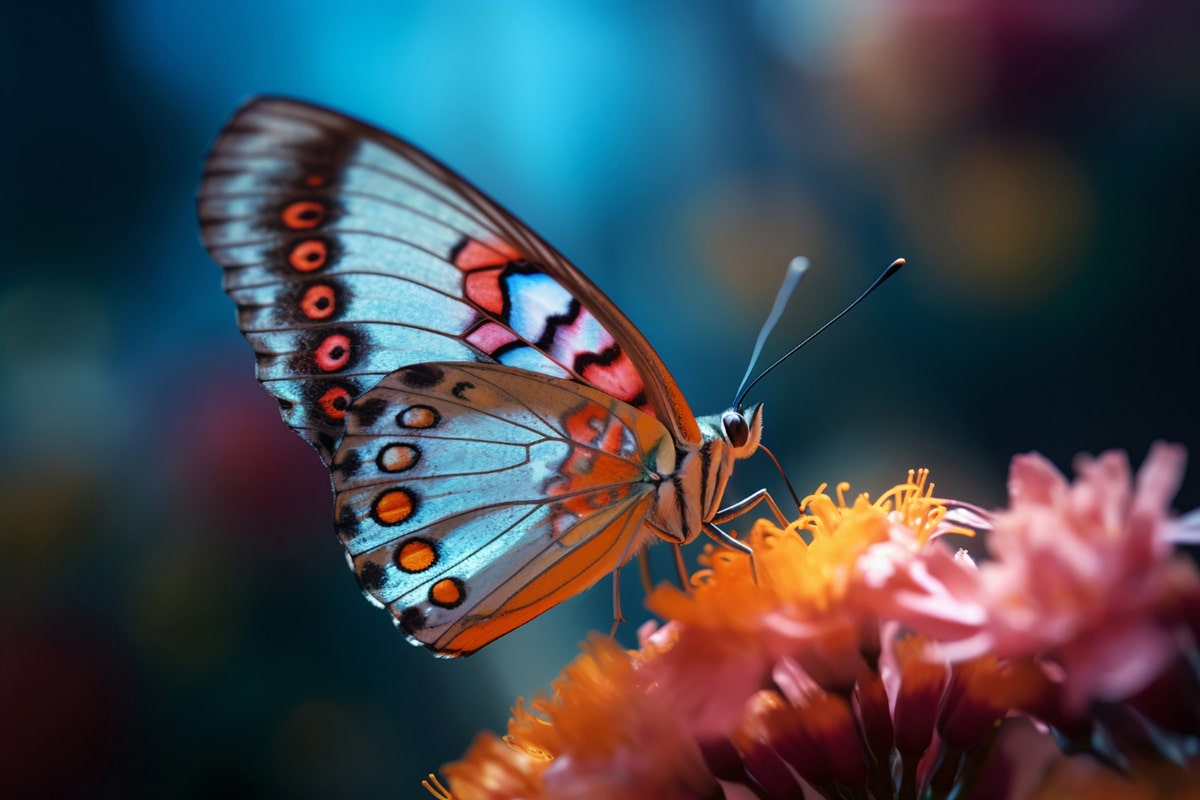
Facts about butterflies
Size: The size of the butterflies can vary from around 3 mm to over 30 cm Speed: The top speed of butterflies ...
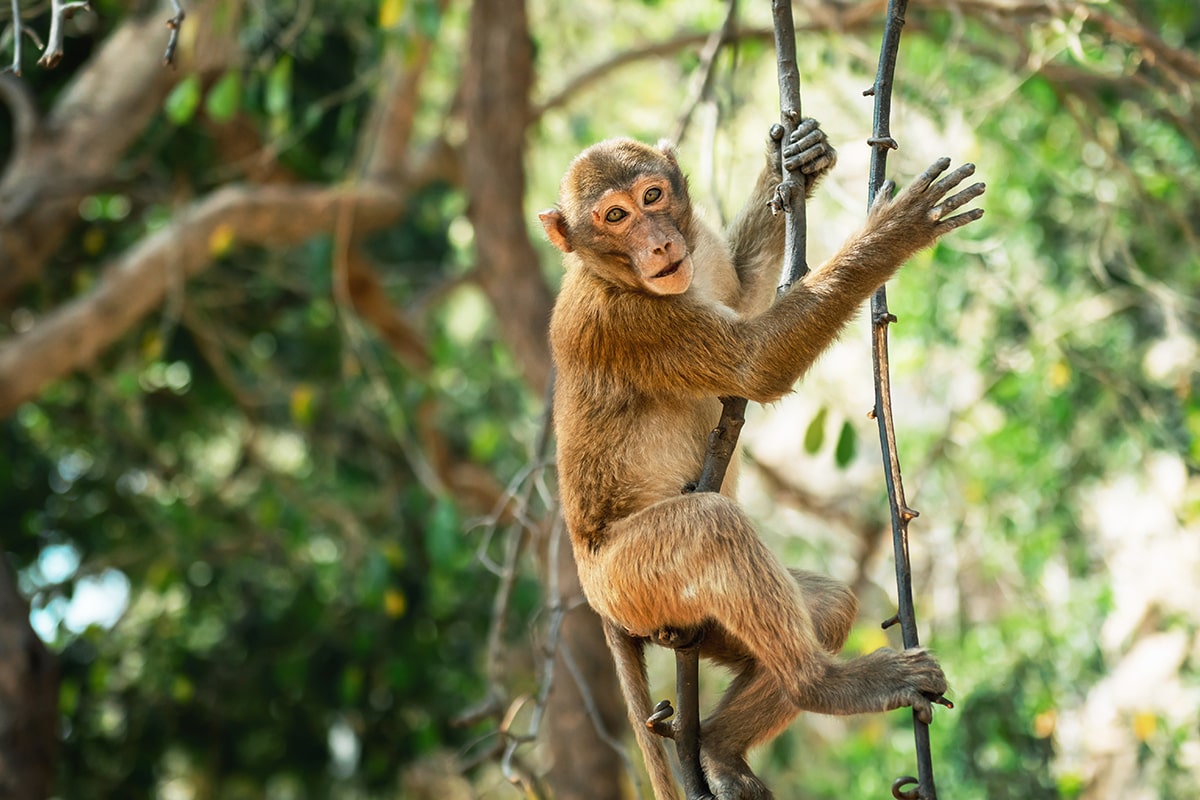
Facts about monkeys (and apes)
Dominance: Squirrel monkeys (Saimiri boliviensis) sometimes show their dominance by urinating on the dominant monkeys Aggression and care: Smiling (pulling up the ...
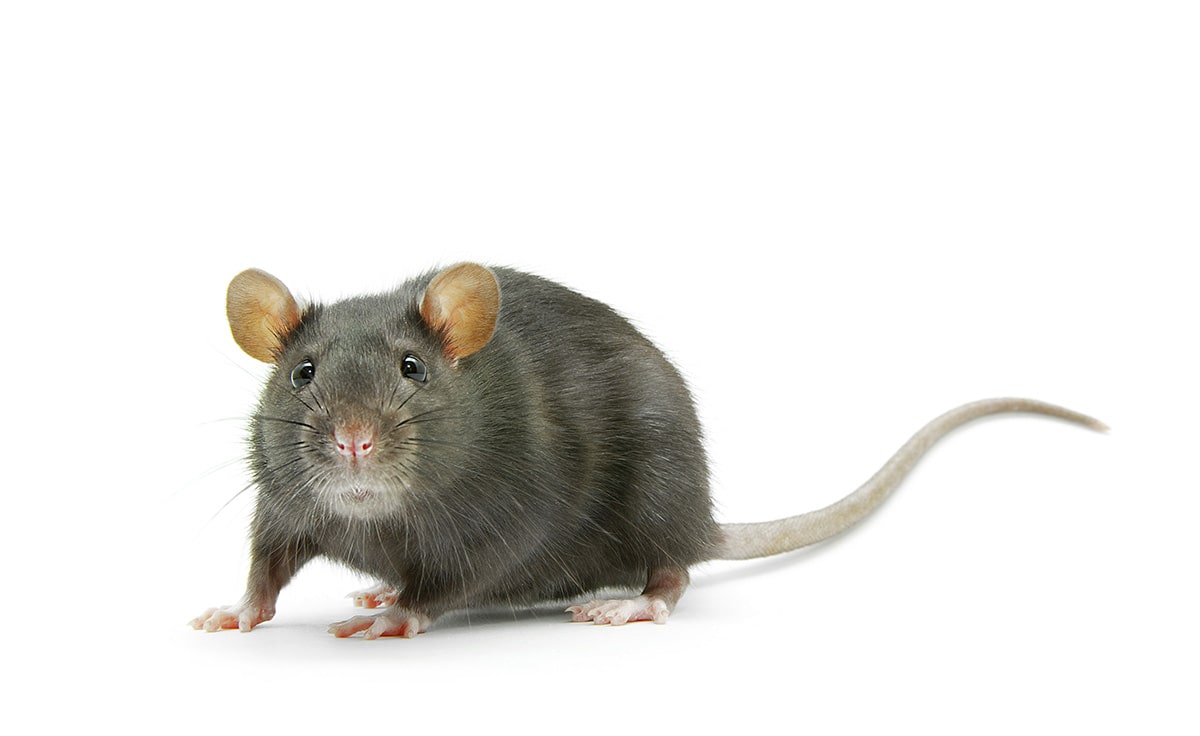
Facts about rats
Water: A rat can survive without water for longer than a camel Survival: A rat can tread water for up to 3 ...
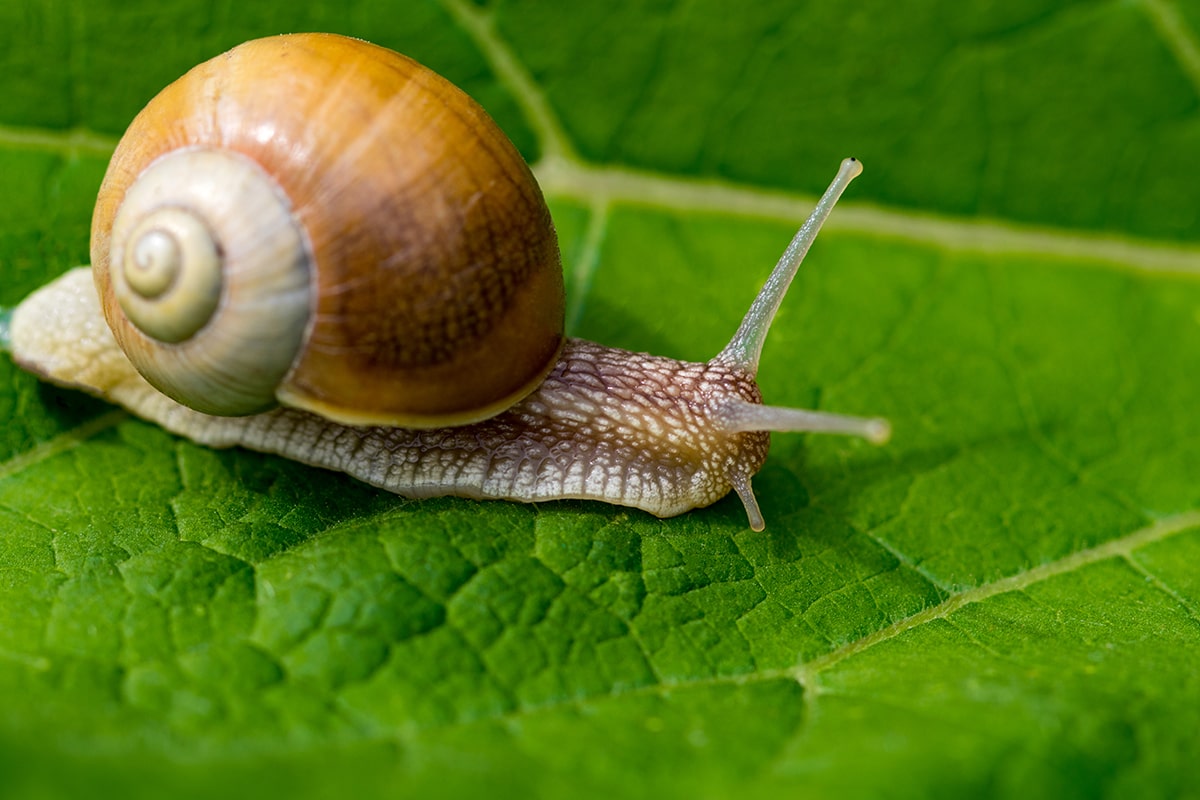
Facts about snails
Salt: Snails die if you put salt on them Largest snail species: The largest snail species in the world is Syrinx aruanus ...
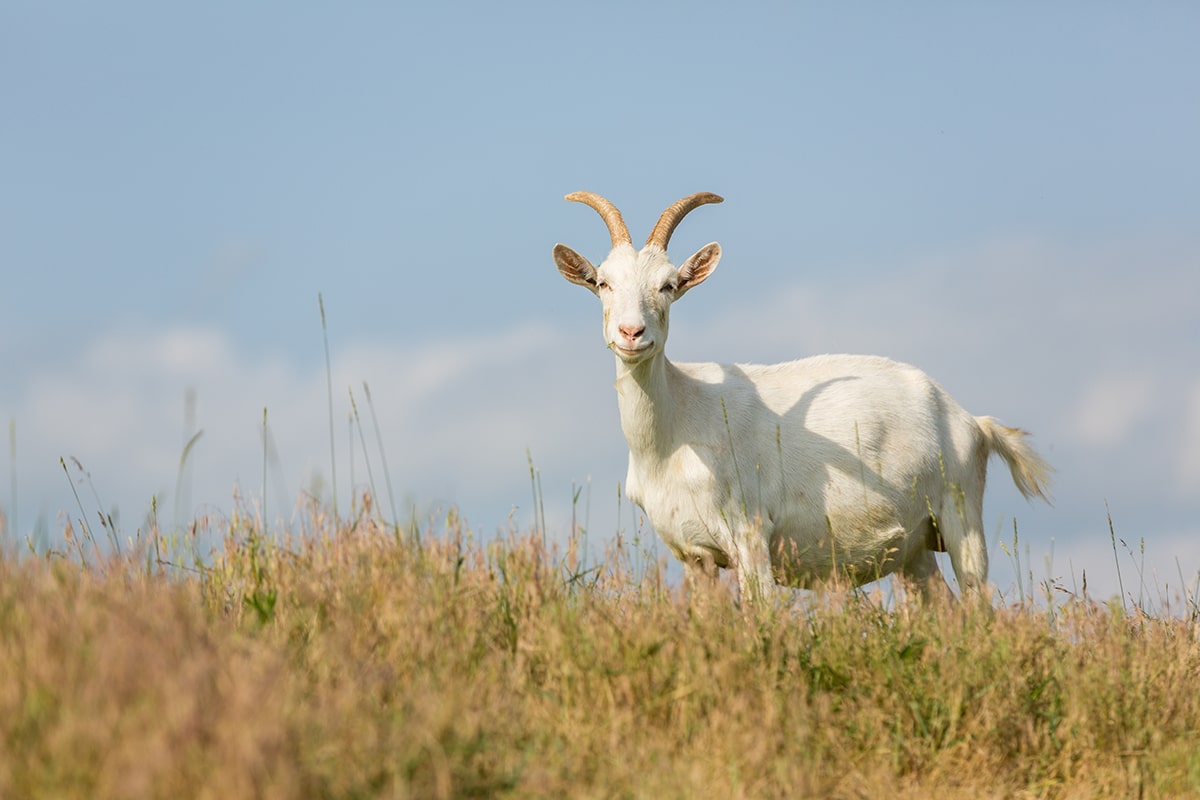
Facts about goats
Swimmers: Goats are good swimmers (read more about this in the FAQ below) Pets: Goats have been kept as livestock for ...
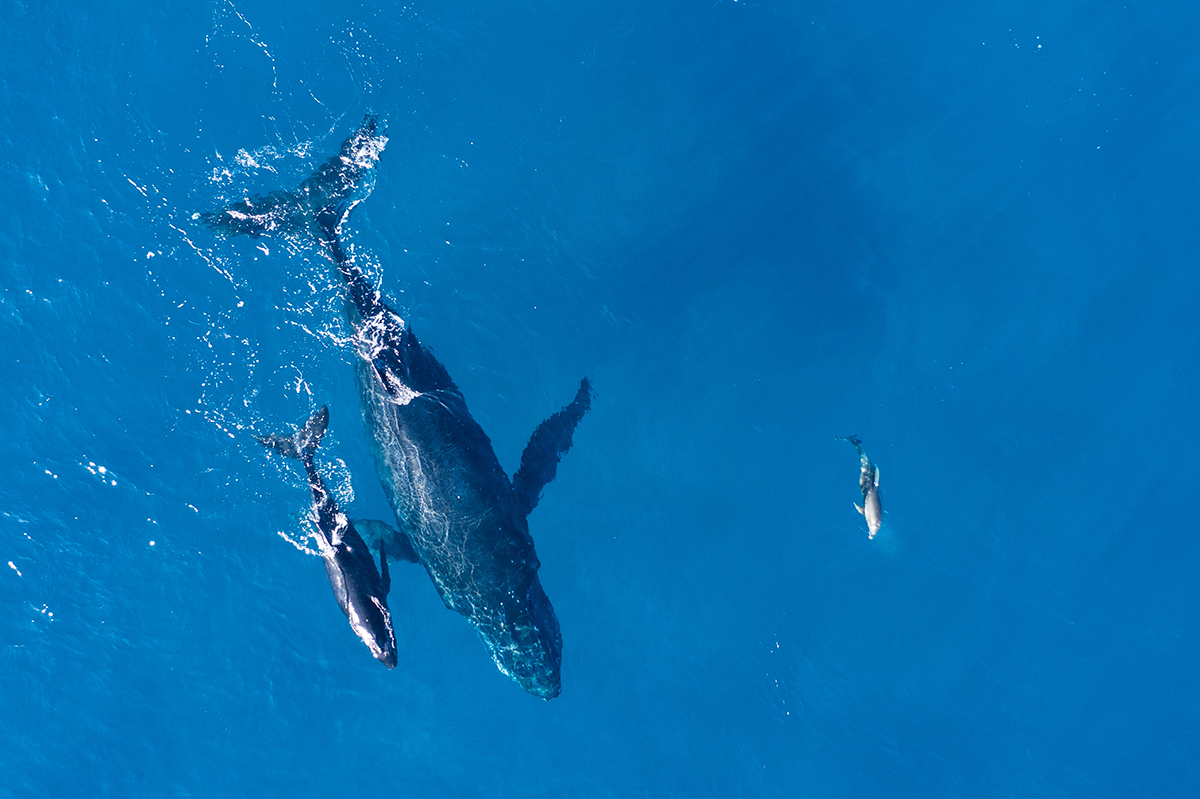
Facts about whales
Age: Although it is not known exactly how old whales can live, it is known that they can live for more ...
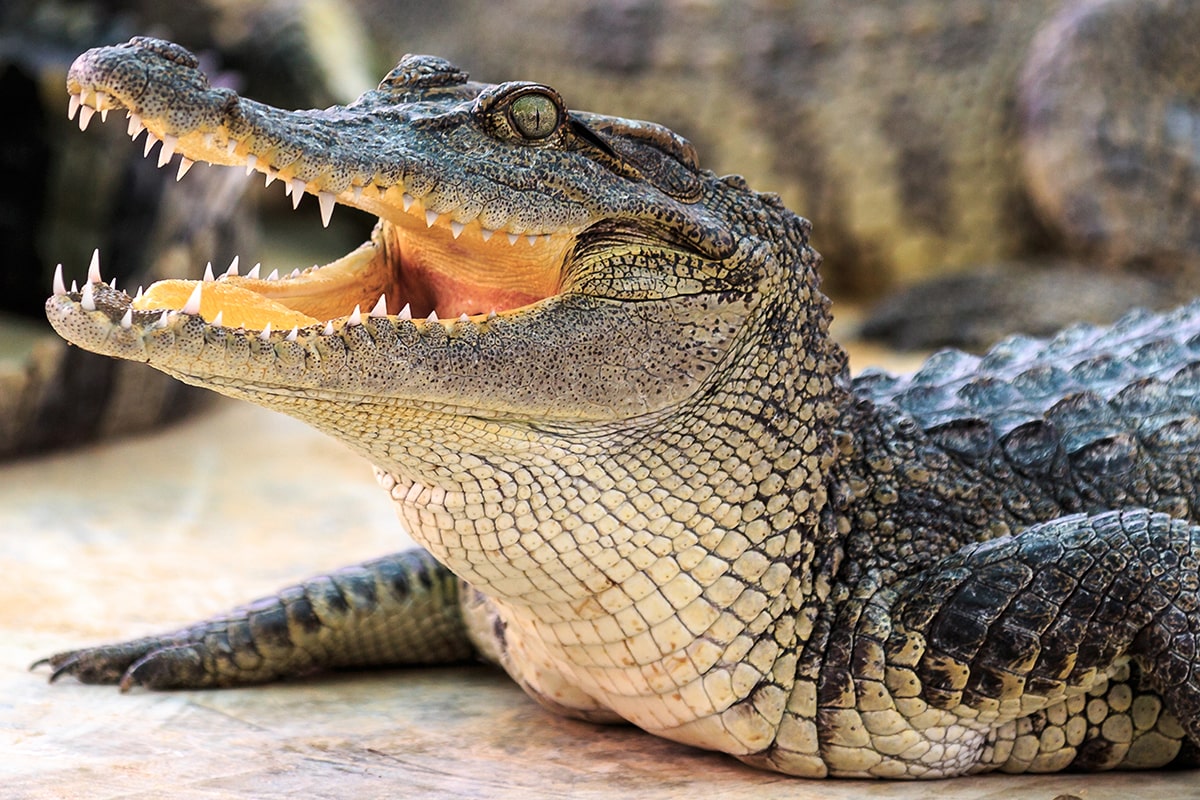
Facts about crocodiles
Spawn: 99% of all crocodile hatchlings are eaten by other animals within their first year of life. Predators of crocodile young ...
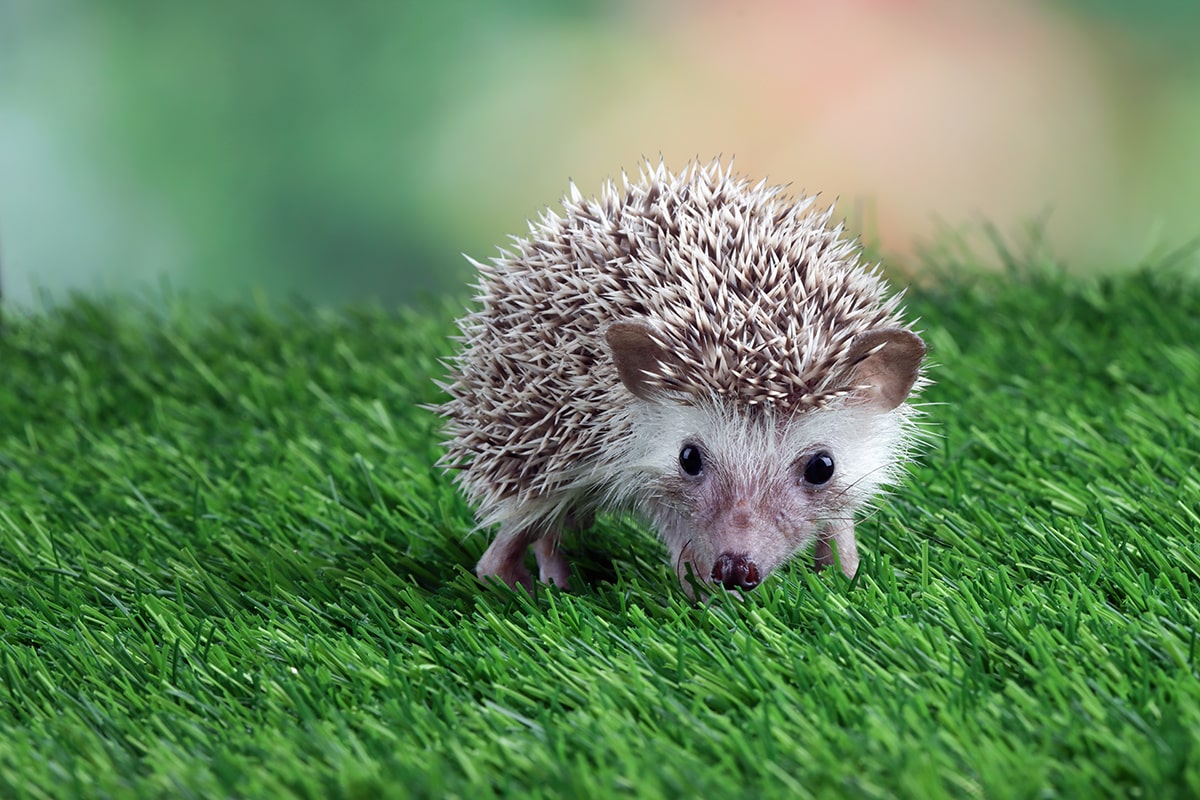
Facts about hedgehogs
Food: Hedgehogs feed primarily on insects, worms, snails, mice, frogs and snakes Snake venom: Like mice and moles, hedgehogs are to some ...

Facts about owls
Cannibals: Owls eat other owl species – especially those smaller than themselves Big eyes: Owls’ eyes are extremely large and almost touch ...
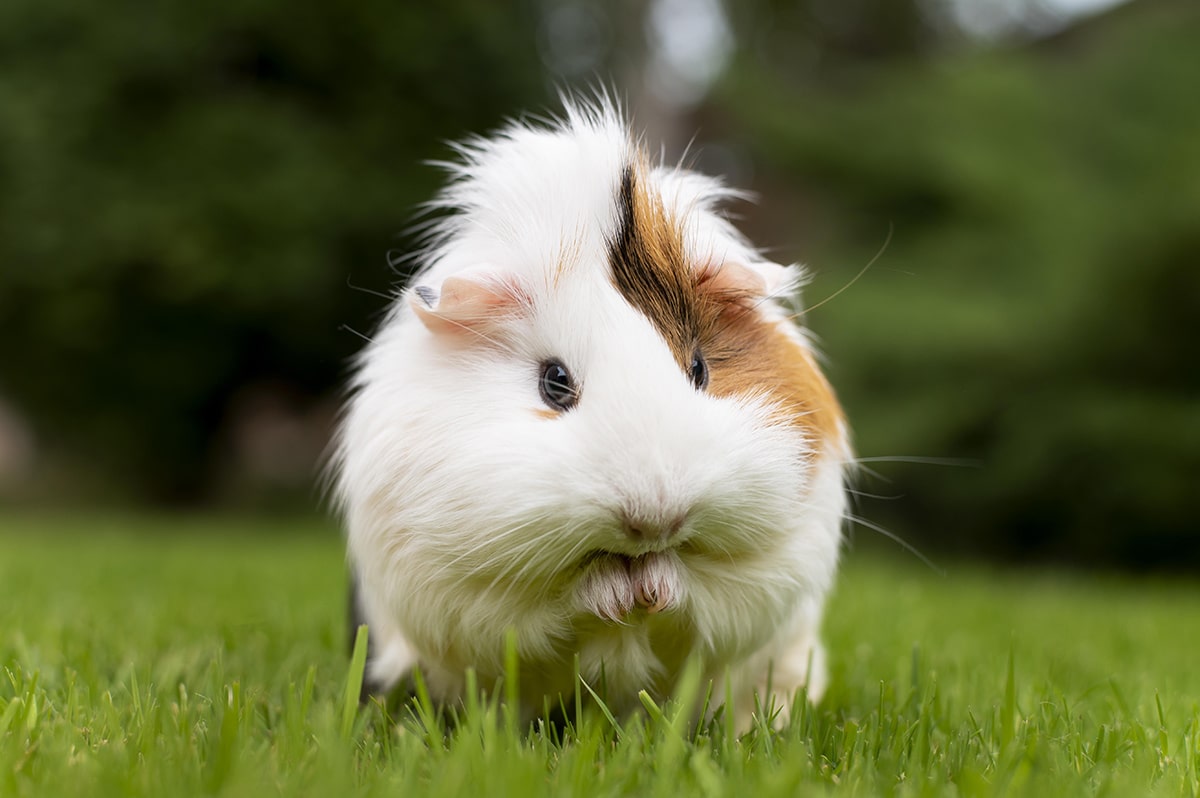
Facts about guinea pigs
Teeth: Guinea pigs’ teeth grow throughout their lives. They therefore need unlimited access to food so they can constantly grind down ...