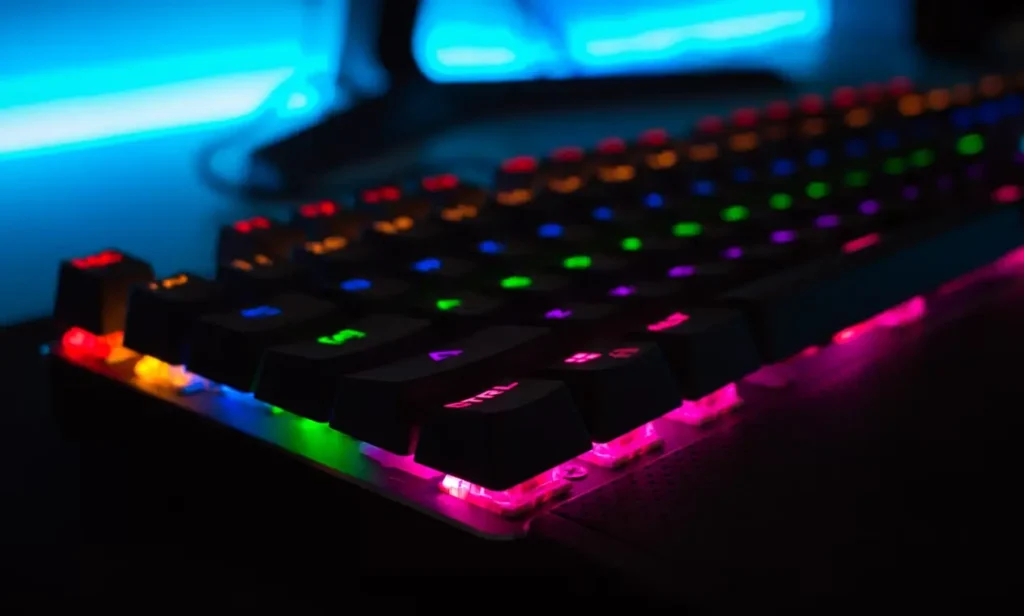
For decades, video games and online gambling were seen as niche hobbies, and sometimes even frowned upon. Gamers were long stereotyped as “nerds,” but today, this view has clearly shifted. With esports arenas packed with fans and large money prizes, gaming is not just accepted, but celebrated. So when did this change happen, and why? Here we take a closer look at the process.
THE ROLE OF TECHNOLOGY AND ACCESSIBILITY
In the beginning, video gaming was largely the domain of young, tech-savvy enthusiasts. Arcades and consoles attracted loyal fans, but the general perception was that gaming was a “waste of time,” often associated with isolation.
One of the key drivers of gaming’s transformation was technology. Broadband internet, affordable hardware, and visually stunning graphics brought games closer to mainstream entertainment. From video games delivering cinematic experiences to the rise of online casinos making it possible to play slots and Roulette online, gaming thrived in the rise of both quality and quantity. The Latter now boasts a vast array of payment options and fast withdrawals, so you won’t have to wait for your winnings.
But the true revolution came with smartphones. Mobile games like Angry Birds, Candy Crush, and later Fortnite Mobile, as well as mobile gambling platforms, made it easy to reach audiences far beyond traditional gamers. With this change, gaming was no longer confined to bedrooms or arcades, but became easily available in everyone’s pocket.
STREAMING AND THE ESPORTS REVOLUTION
While easier access to gaming and gambling certainly made a huge impact, it was still not enough to dub it a “cool” hobby. Another decisive factor for this was the rise of esports and streaming platforms. Streamers on Twitch, YouTube, and other social media have simply turned playing video games into a spectator sport.
As gaming transformed into a sport, a crucial turning point came when gaming evolved from a hobby to a legitimate career path. And with large events and prize pools often worth millions, the professionalization of gaming created a new class of celebrities.
When fans packed arenas in Seoul, Cologne, or Los Angeles to watch League of Legends or Counter-Strike tournaments, gaming could no longer be dismissed as an antisocial activity. It became a global event with cultural weight. This shift broke down stereotypes. Gamers weren’t just nerds anymore; they were athletes, entertainers, and influencers.
THE SOCIAL MEDIA REVOLUTION
Social media platforms fundamentally changed the “old” gaming culture by creating global communities around shared interests. Platforms like Discord, Reddit, and specialized gaming forums have allowed players to connect across geographical boundaries, fostering a sense of belonging that extends beyond individual games.
The rise of content creation on platforms like YouTube and TikTok enables gamers to build personal brands and reach massive audiences. Gaming content went from a niche category to viral entertainment, with hashtags like #fortnite accumulating billions of views on TikTok. This visibility has transformed gaming from a private hobby into a public performance medium.
POP CULTURE EMBRACE
Pop culture has arguably been one of the biggest forces in turning gaming from geeky to cool. Hollywood films like Ready Player One and TV shows such as The Witcher didn’t just use gaming as a backdrop, but showcased how deeply games were woven into modern storytelling. Meanwhile, gaming references started popping up in everything from sitcoms to rap lyrics, making it clear that gaming was no longer a fringe activity.
Fashion has played a surprising role, too. Luxury brands like Louis Vuitton and Gucci have collaborated with game developers and esports organizations, creating exclusive skins, in-game outfits, and even physical apparel inspired by popular titles. Suddenly, wearing gaming merch wasn’t just acceptable, but actually stylish.
Music also helped blur the lines. Artists like Travis Scott and Ariana Grande staged virtual concerts inside games such as Fortnite, drawing millions of viewers worldwide. These events proved that games weren’t only about playing, but also about experiencing culture in new and innovative ways.
FROM LIVING ROOMS TO BOARDROOMS
Another turning point came when the business world started paying attention, as gaming and igaming became billion-dollar industries. Many tech giants, sports franchises, and entertainment companies invested heavily in gaming, giving it more legitimacy than ever.
The numbers today prove how big the business has become. With over 3 billion people worldwide playing games and the global industry pushing revenues toward $200 billion in 2025, gaming has outgrown both the movie and music industries. Some of the biggest names in tech, including Sony, Microsoft, and Tencent, are also the biggest players in the gaming space, shaping trends that reach far outside gaming circles.
Gaming conferences and expos, once seen as niche, are now key dates for investors and business analysts, a clear signal that gaming’s influence reaches the highest levels of business and finance.
A GENERATIONAL SHIFT
Finally, it’s important to recognize the generational factor. The kids who grew up in the 80s and 90s playing Nintendo or early PC games are now adults in positions of influence. For them, gaming isn’t unusual, as it’s part of their personal history. This generational acceptance has made gaming normal at workplaces, in families, and in social life.
The average age of gamers keeps rising, showing that gaming isn’t just for teenagers. With parents and even grandparents now familiar with game controllers or mobile apps, there’s far less stigma around gaming as a hobby – especially as it can actually turn into a successful career.
CONCLUSION
Gaming’s transformation from geeky to cool is the result of both technological advancements and a generational shift that has redefined what entertainment looks like. What was once niche and stigmatized is now mainstream, stylish, and celebrated, with the industries expected to grow even further in the coming years.