All Facts
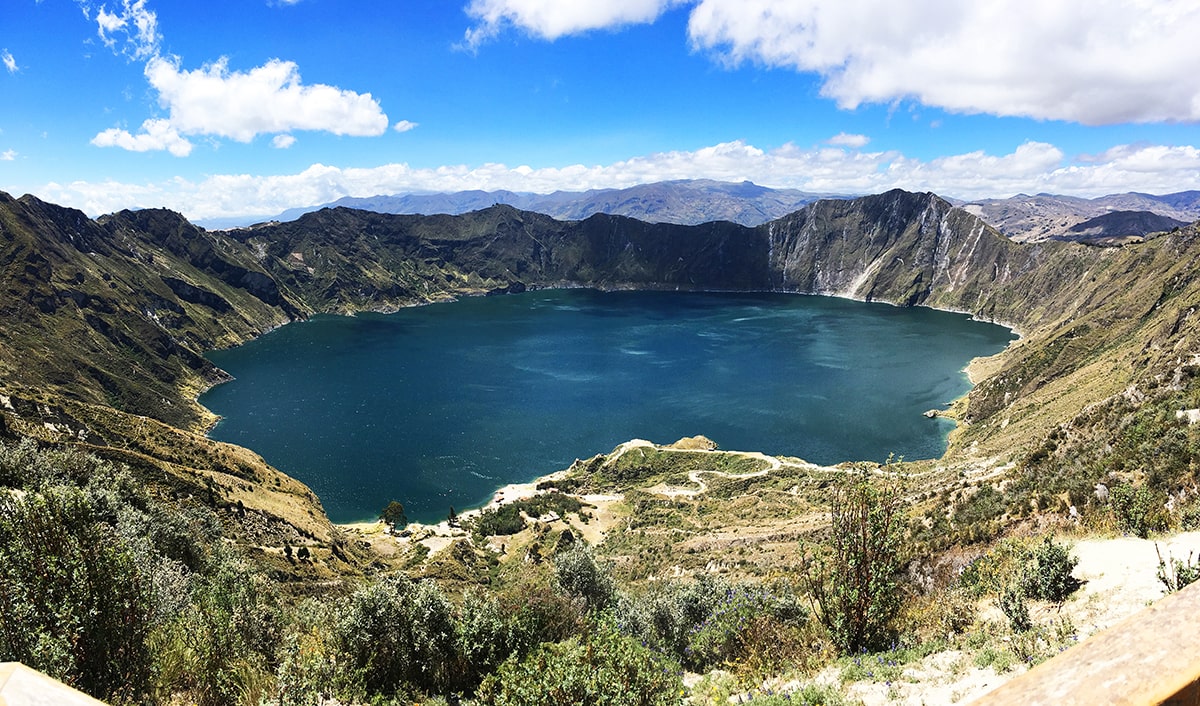
Facts about Ecuador
1. Quito: The capital city of Quito is a UNESCO World Heritage Site and is considered the best-preserved urban center in ...
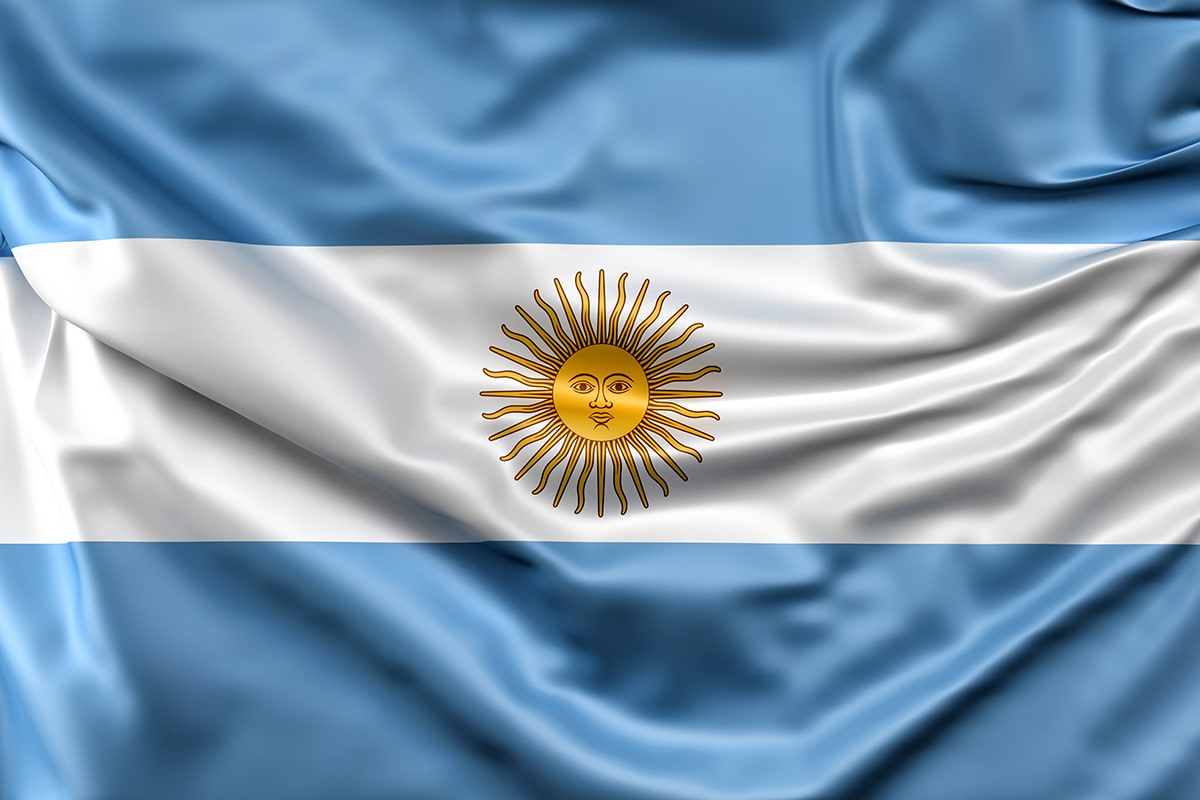
Facts about Argentina
1. Tooth mouse: Just as many countries have a tooth fairy, Argentina has a ‘tooth mouse’ called ‘El Ratón Pérez’ who ...
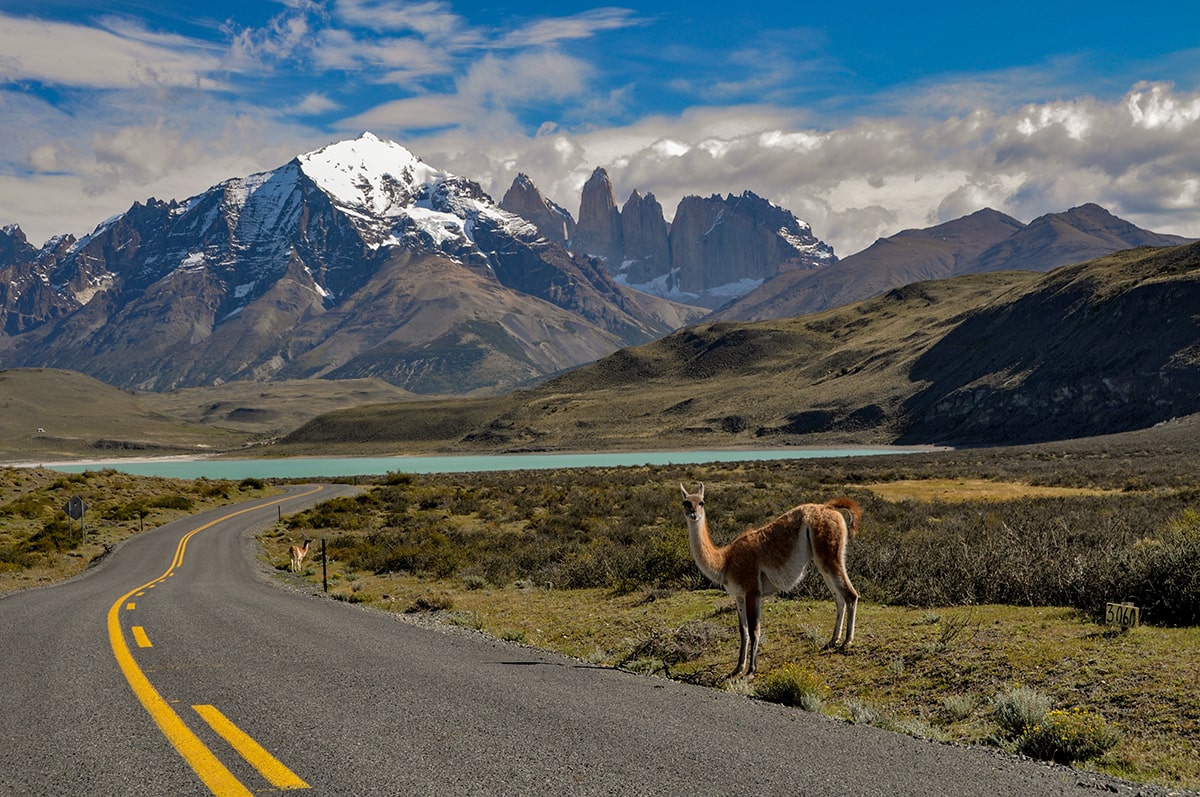
Facts about Chile
1. Santiago: The capital Santiago is home to around 7 million Chileans – that’s about 36% of the total population 2. ...
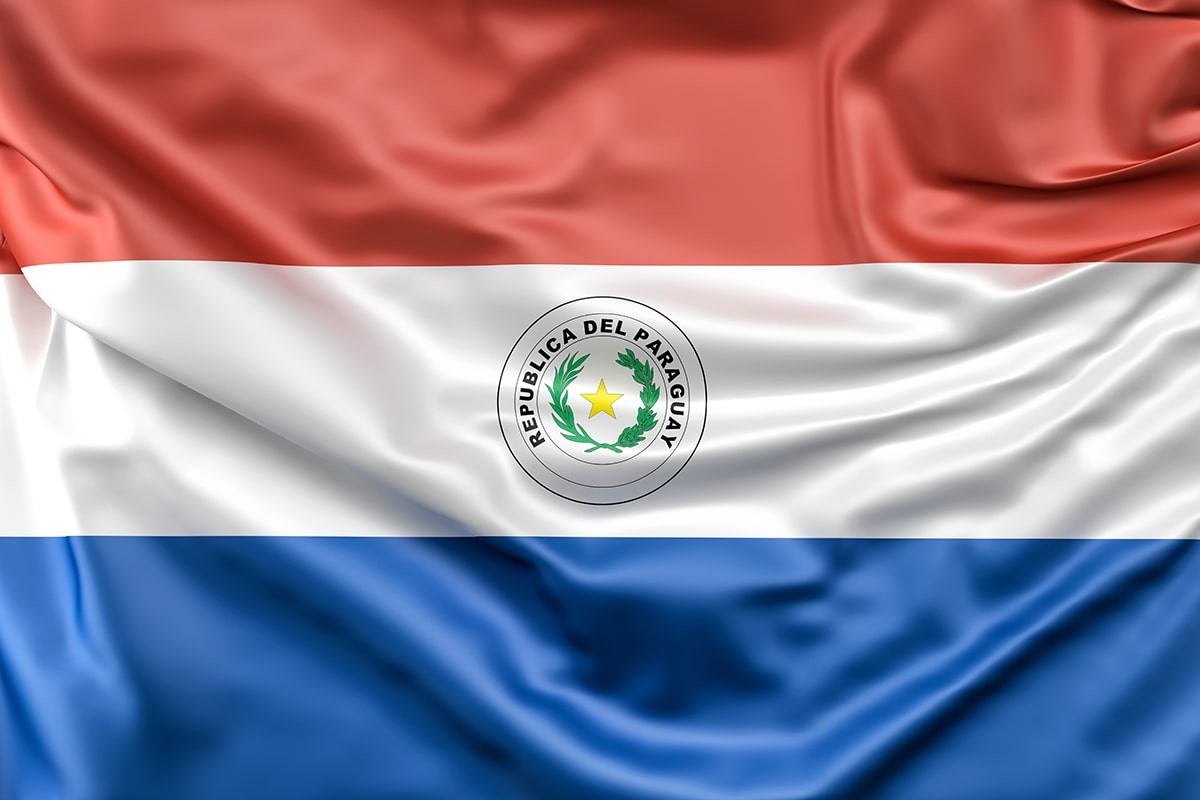
Facts about Paraguay
1. Languages: Paraguay is one of the few South American countries that have retained their indigenous language (Guaraní) as an official ...
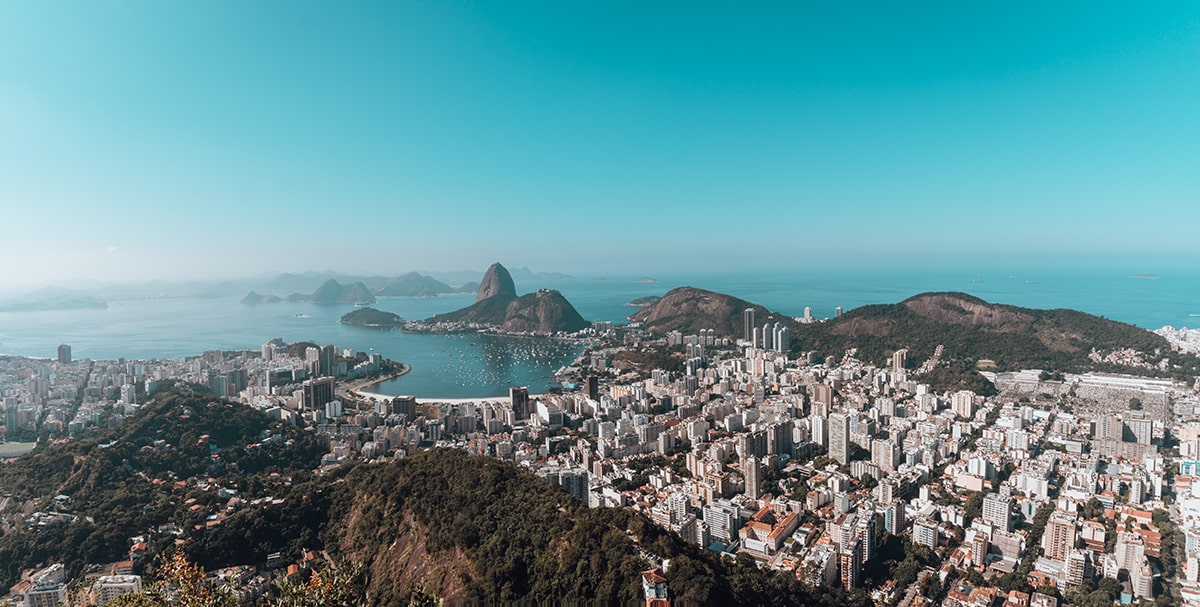
Facts about Brazil
1. Name: Brazil’s name comes from the tree species ‘Brazil tree’ (Caesalpinia echinata). The country’s official name is the Federative Republic ...
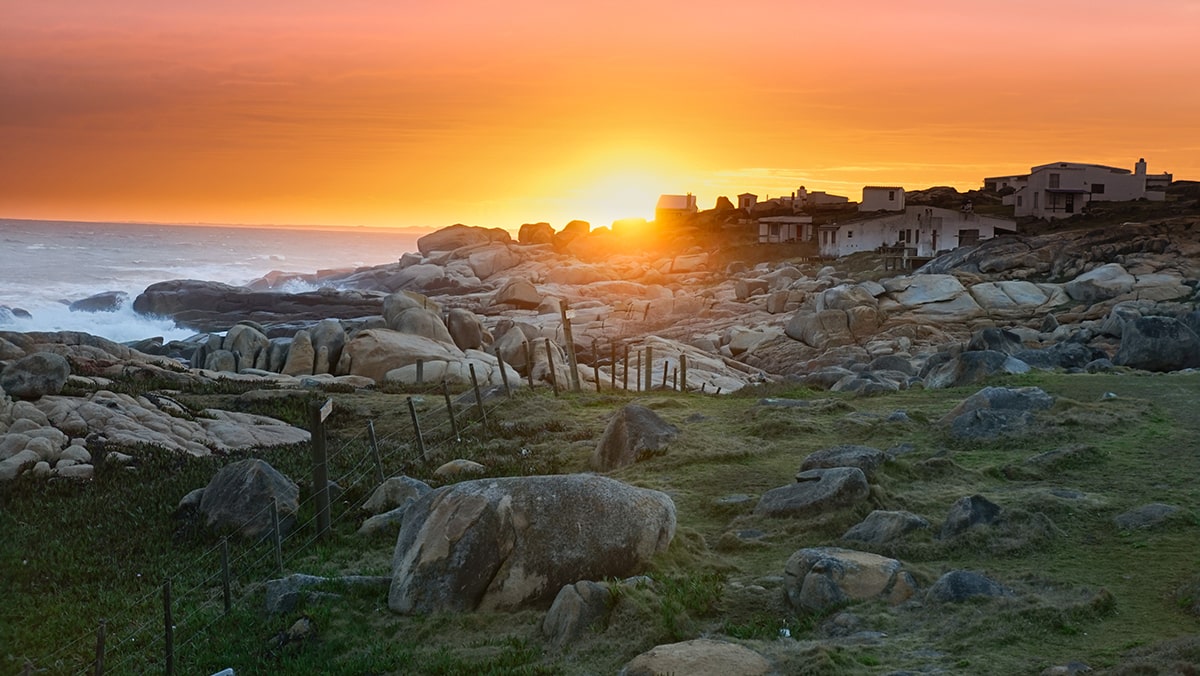
Facts about Uruguay
1. Cattle: Uruguay has 3.8 cattle per capita, making it the country with the highest concentration of cattle in the world. ...
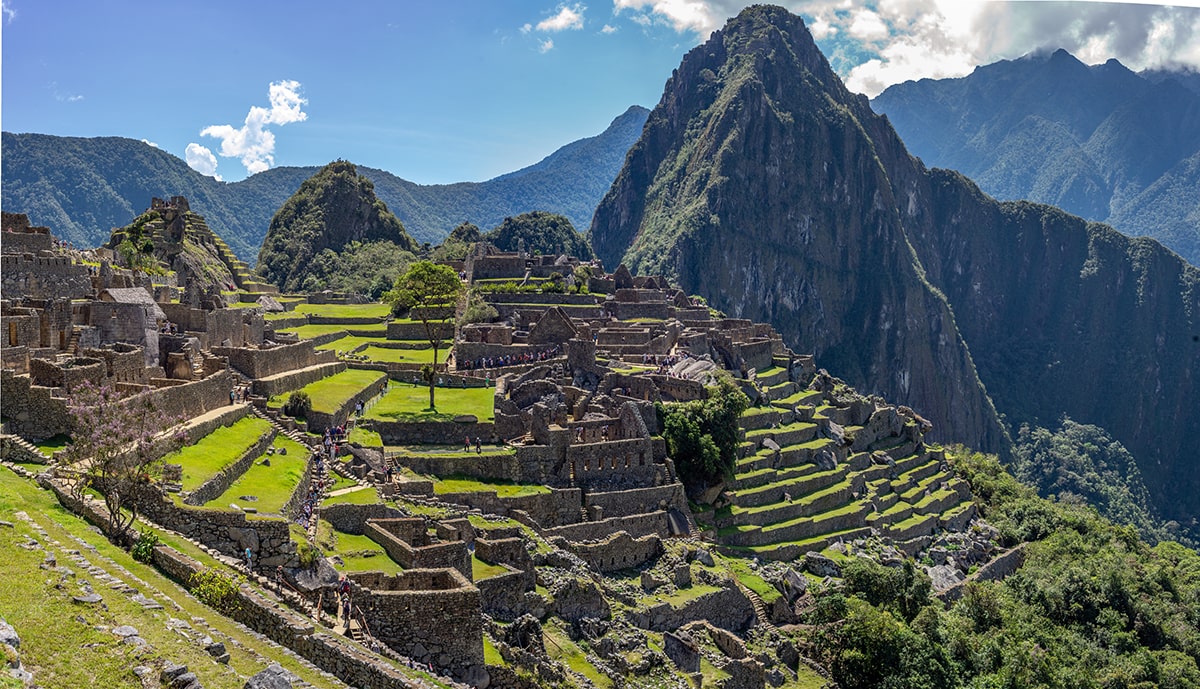
Facts about Peru
1. Corn: In Peru, more than 55 varieties of corn are grown, which is the highest number of varieties in the ...
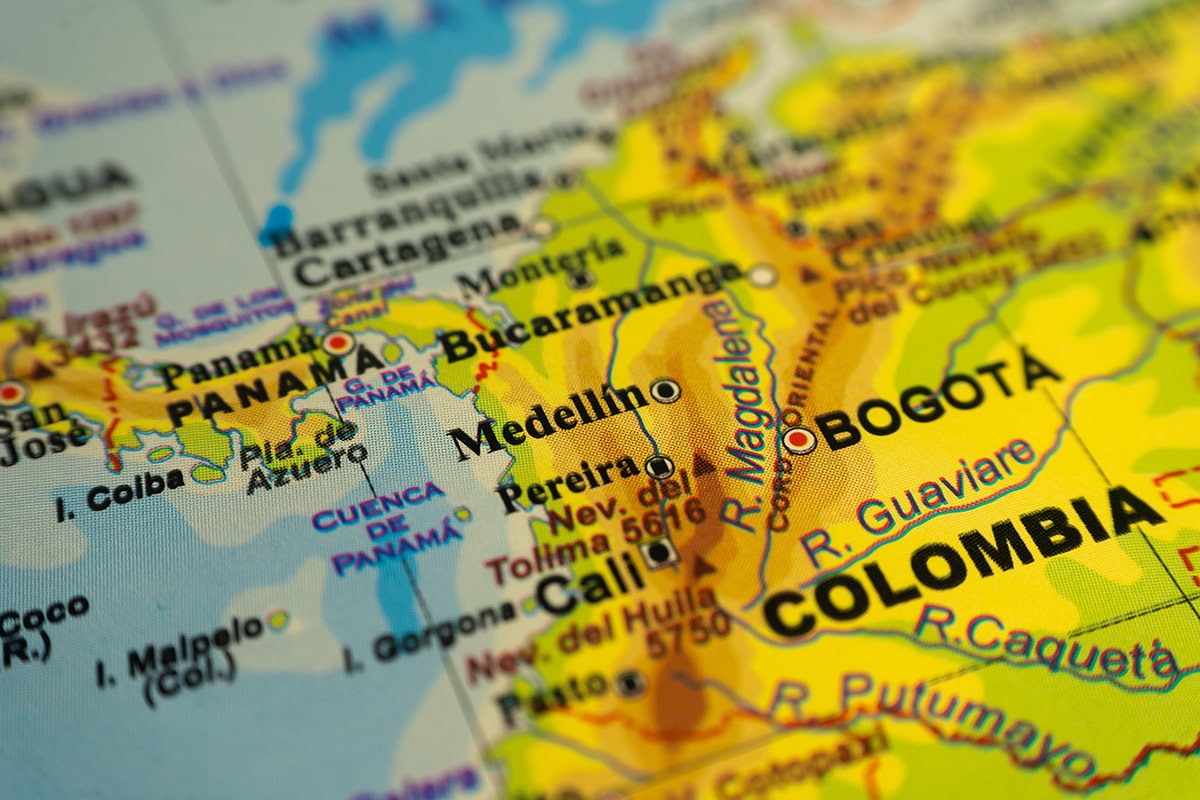
Facts about Colombia
1. Geographically unique: Colombia is the only country in South America that has both Pacific and Atlantic coastlines. In addition, it ...
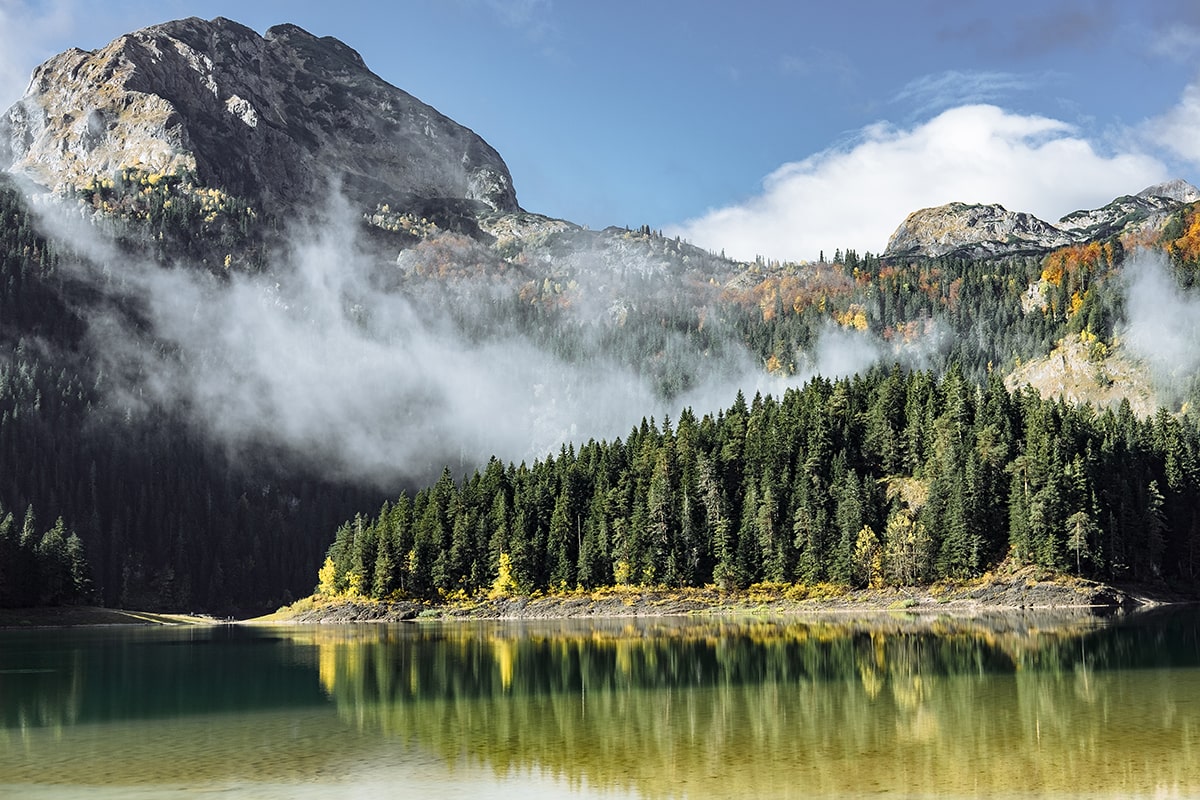
Facts about Montenegro
1. National Day: National Day on July 13 marks the day in 1878 when Montenegro was recognized as an independent country ...
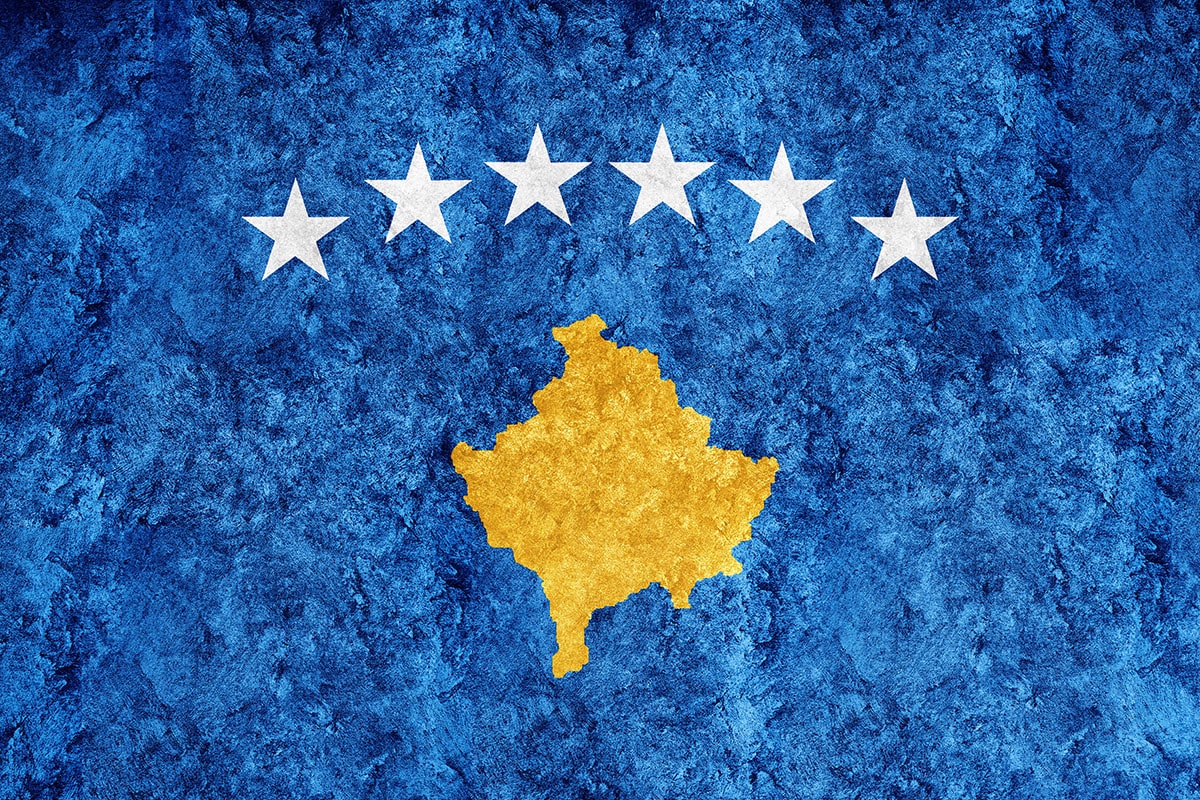
Facts about Kosovo
1. Independence: Kosovo is part of the former Yugoslavia and only became an independent nation when its government declared independence from ...